
Working out how to plan a wedding in Bangkok gets easier once you break it into stages, whether you’re planning a traditional Thai ceremony, a Chinese tea ceremony, an international-style reception, or a mix of all three.
This guide walks through how to plan a wedding from the first booking to the big day, plus what actually changes depending on the ceremony style you choose.
How Far in Advance Should You Start Planning?
Most weddings in Bangkok take shape over eight to twelve months. That’s enough time to lock in a date, secure a venue, and book vendors before your preferred choices are taken.
If your family wants to consult monks or an elder for an auspicious date (common for Thai ceremonies), start even earlier. Auspicious dates cluster around certain months, so popular venues and monks get booked up quickly.
Chinese and international-style weddings have more flexibility on timing, but the same eight to twelve month runway still gives you room to plan without rushing.
The Wedding Planning Checklist
- Once your date is set, work through these in order. Each step naturally leads into the next.
- Set your budget and guest count first. These two numbers shape every other decision, from venue size to catering style.
- Book your venue and confirm ceremony spaces. If you’re combining a morning ceremony with an evening reception, confirm the venue can handle both without a break in between.
- Choose your ceremony style, or styles. Many couples in Bangkok blend traditions, a Thai morning ceremony followed by a Western-style evening reception, for example. Decide this early since it affects your run sheet, vendor bookings, and attire.
- Lock in your photographer, hair and makeup, and entertainment. These vendors book out fastest, especially during the cooler, high season months from November to February.
- Order invitations and finalise your guest list. Send these at least six to eight weeks ahead so out-of-town guests have time to arrange travel and accommodation.
- Confirm your menu and any ceremony-specific requirements. This is also when to flag anything your venue needs to prepare, such as space for a Thai monk blessing or a Chinese tea ceremony set.
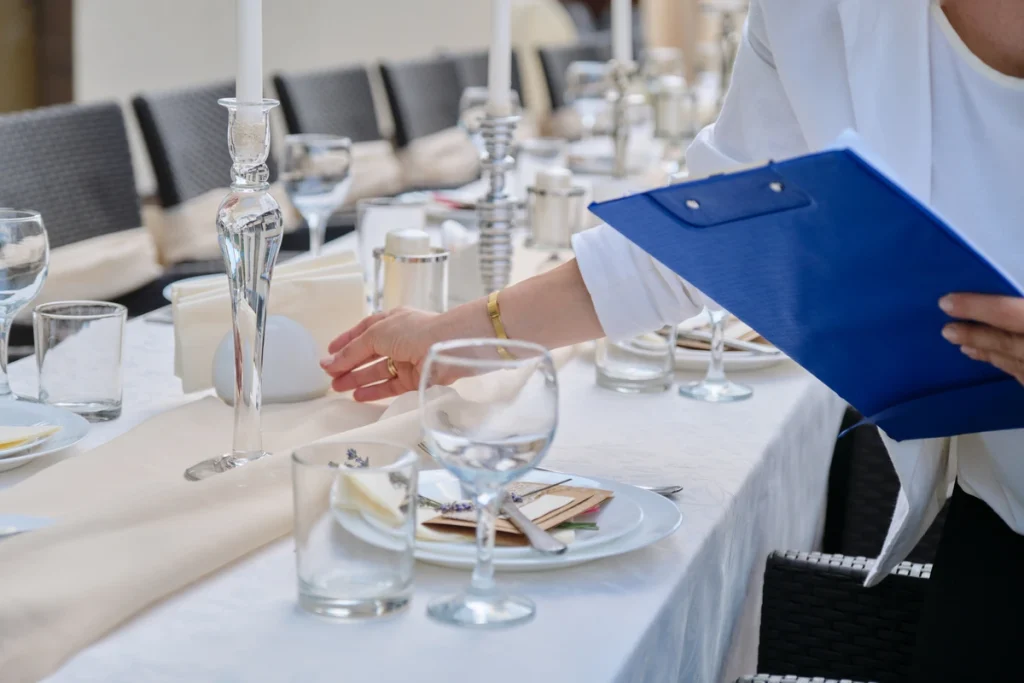
- Do a final walkthrough one to two weeks out. Confirm timings, seating, and vendor arrival with your venue coordinator so the day runs without surprises.
Choosing Your Ceremony Style: Thai, Chinese, or International
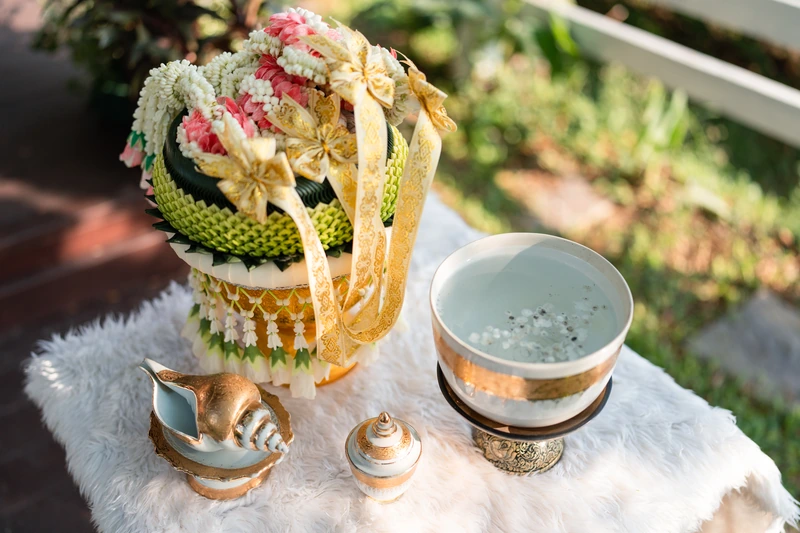
A traditional Thai wedding usually starts in the morning with a monk blessing ceremony, where five or nine monks chant and bless the couple. This is often followed by the Khan Maak procession, where the groom’s family carries gifts and dowry through a symbolic gate held by the bride’s relatives, and closes with Rod Nam Sang, where the couple sits together to receive blessed water from family and guests.
A Chinese tea ceremony typically happens on the morning of the wedding. The couple serves tea to parents and elders in order of seniority, a gesture of respect that’s often combined with a Thai ceremony for couples with mixed heritage, a common combination in Bangkok given the city’s large Thai-Chinese community.
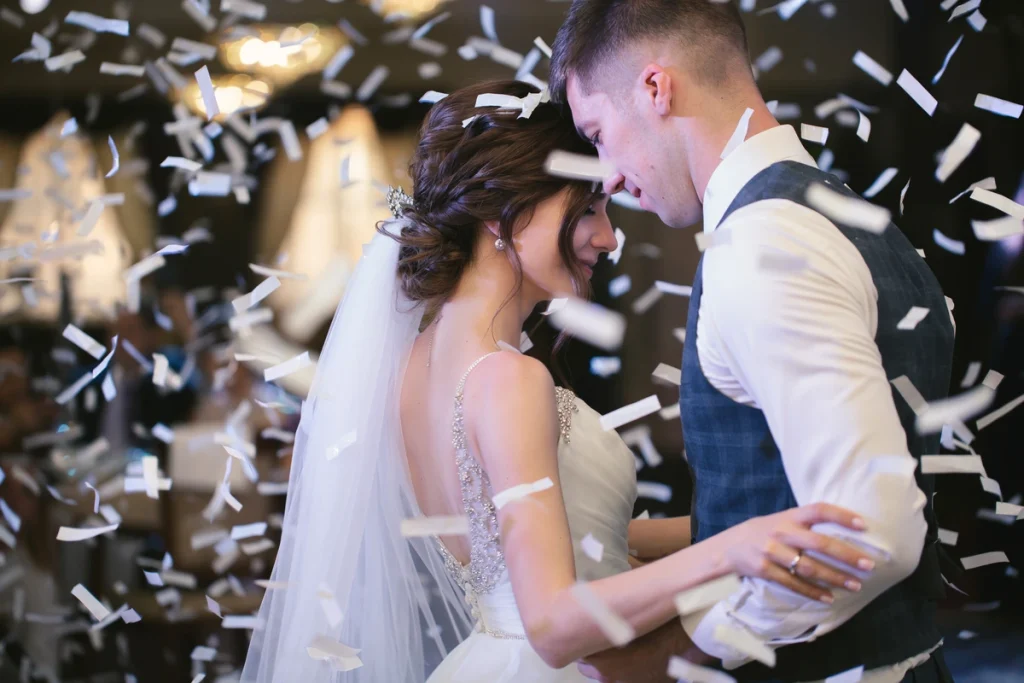
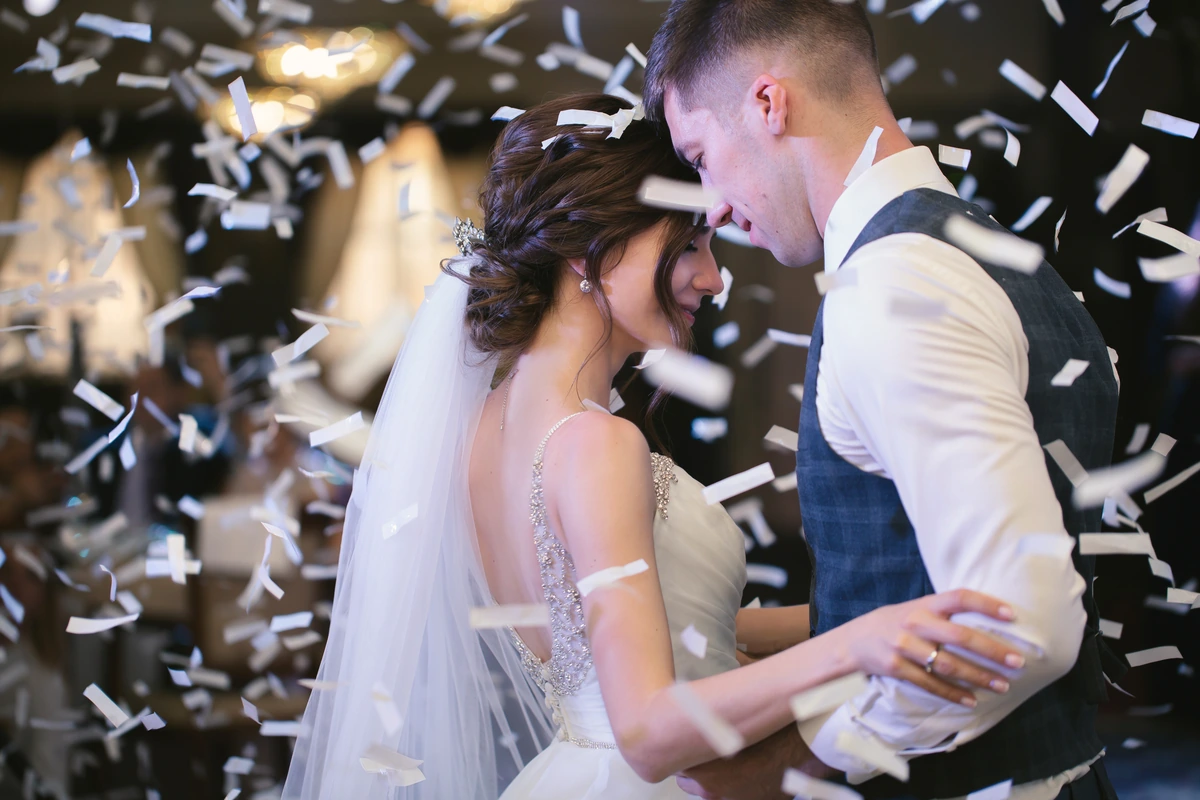
An international-style wedding skips the religious and cultural rites in favour of a Western-format reception: a ceremony or vow exchange, followed by a seated dinner or cocktail reception, speeches, and dancing.
None of these are mutually exclusive. Plenty of couples in Bangkok hold a Thai or Chinese ceremony in the morning and an international-style reception in the evening, using the same venue for both.
One Venue, Any Wedding Style
Juggling multiple ceremony traditions gets complicated fast if your venue can only handle one format. This is where a full-service hotel venue makes the difference: the ceremony space, reception hall, catering, and guest accommodation are all handled in one place, whatever combination of traditions you’re planning.
Town in Town Hotel is set up for exactly this. Whether you want a Thai monk blessing, a Chinese tea ceremony, or a Western-style reception, this wedding venue in Bangkok can handle it all without juggling separate vendors for each part of the day. Guests travelling from outside Bangkok also have rooms to stay in on-site, so nobody needs to arrange accommodation elsewhere.
Ready to start planning? Get in touch with Town in Town Hotel’s wedding team to talk through your ceremony style, guest count, and date.
Frequently Asked Questions
How far in advance should I start planning a wedding in Bangkok?
Most couples start planning eight to twelve months ahead of their wedding date. This gives enough time to secure a venue, confirm vendors, and lock in a date before popular options are booked. Couples planning a Thai ceremony around an auspicious date should start even earlier, since those dates cluster around certain months and venues fill quickly. Starting early also means less pressure to make rushed decisions closer to the day.
Can I combine a Thai ceremony with a Chinese tea ceremony on the same day?
Yes, this is a common choice for couples with mixed Thai-Chinese heritage in Bangkok. The Chinese tea ceremony and Thai morning ceremony, such as the monk blessing or Rod Nam Sang, are usually scheduled back to back in the morning, before an evening reception. The key is confirming your venue can accommodate both without a scheduling conflict, so check this when you book.
What happens during a traditional Thai wedding ceremony?
A traditional Thai wedding typically starts with a monk blessing ceremony in the morning, where monks chant and bless the couple. This is often followed by the Khan Maak procession, where the groom’s family carries gifts through a symbolic gate, and Rod Nam Sang, where the couple receives blessed water from family and guests. The whole sequence usually takes place before midday, ahead of any evening reception.
What is a Chinese wedding tea ceremony?
A Chinese tea ceremony is a ritual where the couple serves tea to their parents and elders, in order of seniority, as a gesture of respect and gratitude. It usually happens on the morning of the wedding and takes around 30 to 45 minutes depending on family size. Guests who receive tea traditionally give a red envelope in return, and the ceremony is often paired with a Thai ceremony for couples with mixed heritage.
Do I need a wedding planner for a Bangkok wedding?
A wedding planner isn’t essential if your venue offers strong in-house coordination, which many Bangkok hotels do. Full-service venues typically handle catering, event staff, and ceremony logistics as part of the package, covering much of what a planner would otherwise manage. Couples juggling multiple ceremony traditions in one day tend to benefit most from a venue coordinator who’s handled that combination before.
What should I check before booking a wedding venue in Bangkok?
Check whether the venue can host your ceremony style, or styles, without needing a separate location for each part of the day. Ask whether catering is handled in-house, what’s included in the base package, and whether the space can be set up for both a morning ceremony and an evening reception. It’s also worth asking how guests travelling from outside Bangkok can be accommodated nearby.
When is the best time of year to get married in Bangkok?
November to February is generally considered the best window, thanks to cooler, drier weather compared to the rest of the year. It’s also Bangkok’s high season for weddings, so popular venues, monks, and vendors book up further in advance for these months. Couples who want more flexibility on dates, or an easier time booking vendors, sometimes choose the shoulder months just outside this window instead.